Skip to content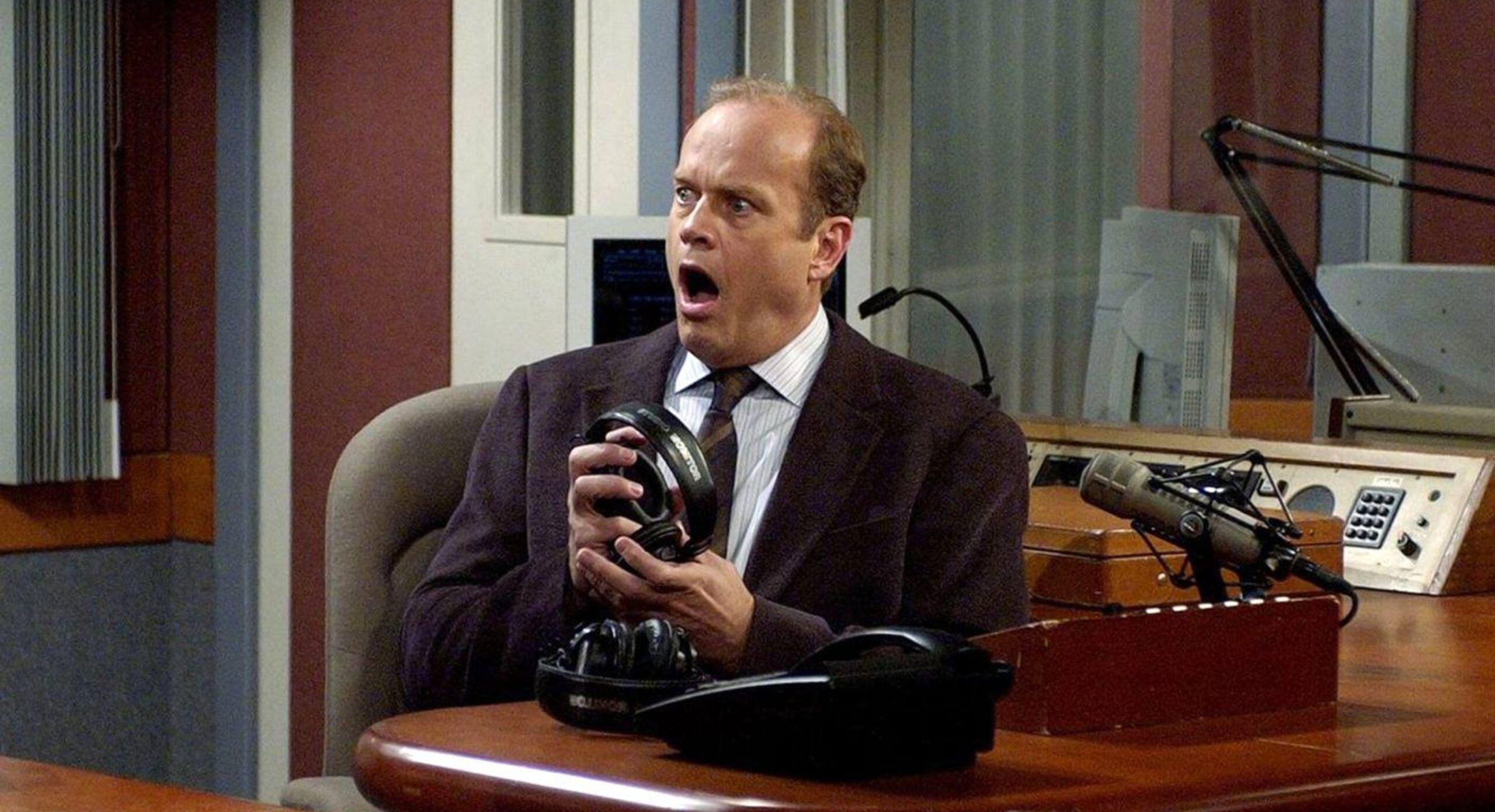
Protection Limiter for Screamers. There’s a protection limiter on the output of our Audioarts Voice 1 and on all four mic processors in our M4IP-USB (which is our routable four-channel mic processor Blade that can be part of the WheatNet IP audio network or used as a standalone unit). If you do end up with a screamer in the studio, you have another 12 dB of headroom for final peak limiting to keep things sounding reasonably level.
 Any Slightly Sibilant Voice Won’t Get Past Our De-esser, Either. We designed the de-esser used in the M4IP-USB and single-channel Voice 1 processor to attenuate only the frequency range sensed, unlike the wholesale broadband attenuation of many other designs. This makes the action much less obvious. Far from just a button on the M4IP-USB or Voice 1, the de-esser has a full range of control, including “ess” threshold, center frequency, and recovery time, as shown to the right.
Big Voice or Level Correction? The Best of Both. Underlying the M4IP-USB and Voice 1’s compressor itself is a slow-rate AGC, which allows both level correction and more rapid compression effects simultaneously. The sidechain is subtly filtered to avoid bass build-up, pumping, and other sonic undesirables.
32dB Input Headroom. You’ll Need It. To do all this and more requires tremendous headroom. Wheatstone mic/voice processors have 32 dB of input headroom, which is comparable to the best recording consoles and more than enough for any processing you need to do, and then some.
96kHz Base Sample Rate with 24-bit A/D/A Converters. By the way, all internal processing in the M4IP-USB and Voice 1 runs at 96 kHz sample rate with 24-bit A/D/A converters, so the audio quality comes through despite heavy-handed compression settings, especially at the higher end of the vocal range.
Super Quiet™ Preamps. It’s worth noting our Super Quiet microphone preamplifier is known for its extremely low noise floor and wide dynamic range.
By combining Super Quiet mic preamps with high-quality 24-bit A/D/A converters and a 96 kHz sample rate, the M4IP-USB and Voice 1 bring out the best in any microphone and talent combination without adding unwanted coloration.
 Plus, All The Right Tools for Whatever Pops Up. Our voice/mic processors have EQ and dynamic features such as expansion to help control room noise, for example. They include phase inversion and phantom power for condenser mics, and individually switchable high-pass and low-pass filters to boot. A phase rotator helps the peak-to-average ratio for downstream processing. In fact, we suggest that you do phase rotating at the mic processor rather than in an air-chain processor for better overall consistency. Finally, as a Blade unit with I/O and as part of the WheatNet IP audio network, the M4IP-USB has two software mixers, which allow you to, say, bring up the principal microphone on one fader and still be able to do a sub-mix of another three coming up on another fader or even another console.